The Black Box’s Nicole Cacciavillano Talks about their 10 Year anniversary
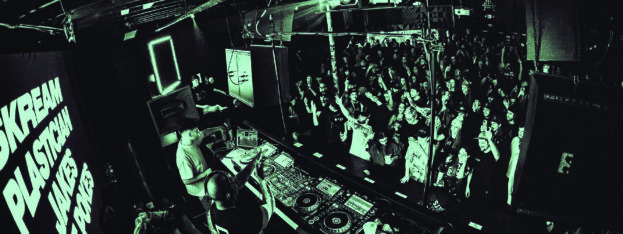
Over the last two decades, Sub.Mission has become synonamous with Dubstep and electronic music at large, in Denver and around the world. 10 years ago, founder Nicole Cacciavillano started the next chapter of their collective, the beloved brick and mortar venue we know as The Black Box. During their decade in business, the Box has hosted countless legendary nights, and touched (and in some cases kicked off) the careers of many of the biggest and best producers and DJ’s in the game. We caught up with Nicole to talk about the massive 10 year milestone and the journey it’s been. Check out the interview below!
GEH: As you reflect on a decade of The Black Box, what have been some of the most memorable moments you can recall?
Nicole: There have honestly been so many moments over the last ten years that it is hard to narrow it down. One of the biggest triumphs for me is simply that we are still here. The Black Box has never been about chasing trends or trying to be everything to everyone. We built it around sound system culture, underground music, and community, and we have stayed true to that.
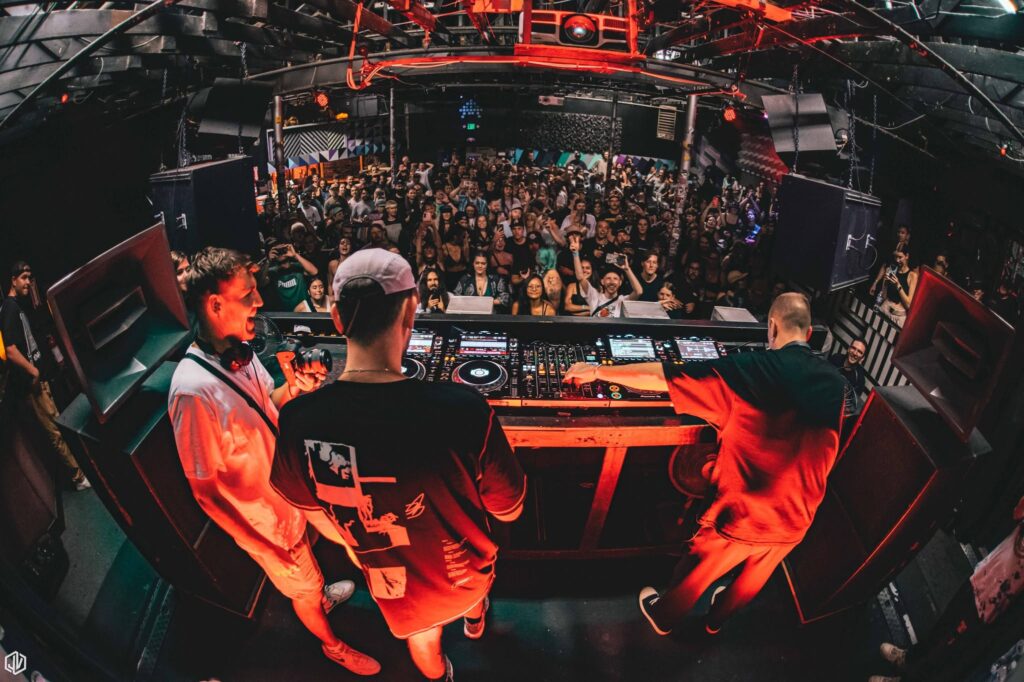
Some of my favorite moments have been watching artists play the room early in their careers and then seeing how far they go, while still wanting to come back and play The Black Box. There is something really special about creating a room where artists feel comfortable taking risks and where the crowd actually comes to listen.
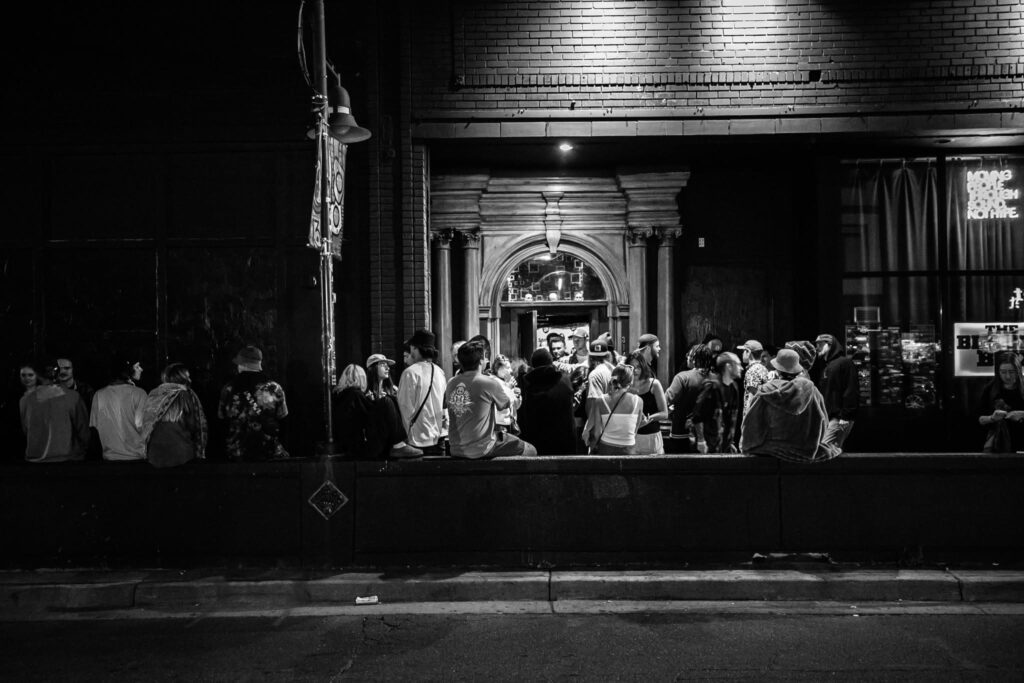
I am also incredibly proud of the community that has grown around the venue. People have met their closest friends here, started relationships here, discovered new music here, played their first shows here, and in some cases built entire careers from connections made in this room. Those things mean more to me than any single sold-out show ever could.
Reaching ten years as an independent venue feels like a huge accomplishment in itself. There have been plenty of times where it would have been easier to quit, change direction, or compromise what we do, and we just kept going.
GEH: A lot of the venues that existed when you guys started are no longer here. What are some of the biggest challenges you’ve had to overcome to stay in business this long?
Nicole: Owning an independent venue is basically a constant exercise in problem solving. There have been financial challenges, changing trends, rising costs, competition, neighborhood issues, staffing challenges, and of course COVID, which was probably the biggest test we ever faced.
COVID was terrifying because everything stopped overnight and there was no clear answer for when live music would return. We had spent years building something and suddenly had no idea if we were going to be able to keep it. Getting through that period and reopening was a massive accomplishment.
Another ongoing challenge is maintaining an underground space in an industry that keeps becoming more expensive and more corporate. Costs continue to rise while ticket prices can only go so high, and independent venues are operating on very different margins than large companies.
There is also the challenge of knowing when to evolve without losing your identity. Electronic music changes quickly. Genres come and go, artists grow, audiences shift, and you have to adapt while still remembering why you opened the venue in the first place.
For me, the biggest lesson has probably been resilience. There is always going to be another problem. You figure it out, learn from it, and keep moving.
GEH: As a veteran in the game, where do you see the future going for The Black Box and electronic music at large?
Nicole: I think electronic music is going to keep getting bigger, but at the same time I think people are craving smaller, more intentional experiences again.
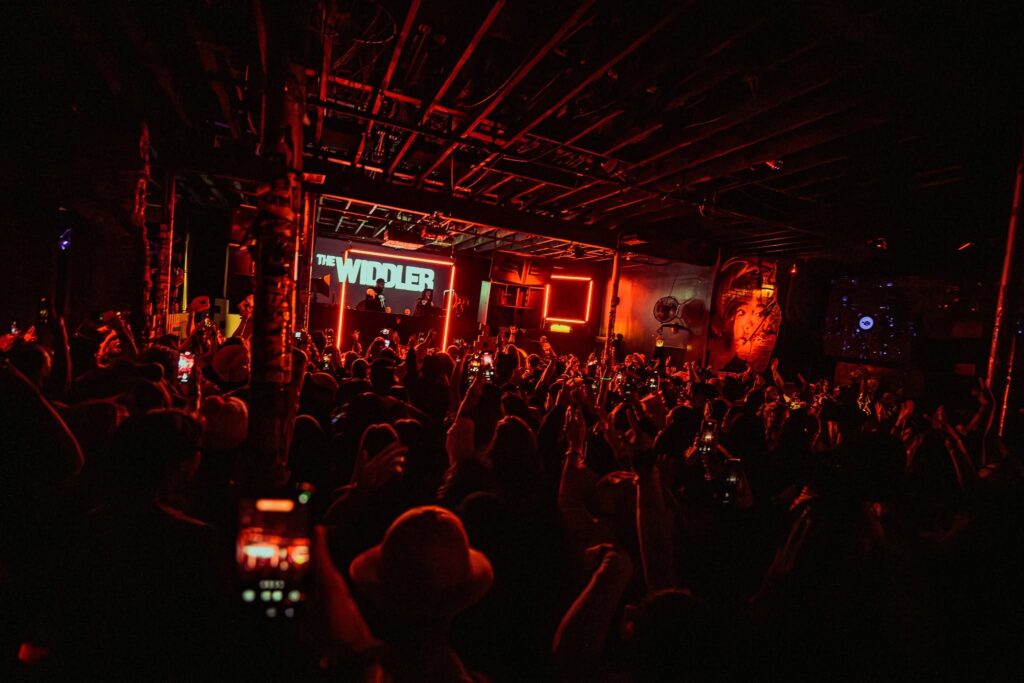
Large festivals and huge productions obviously have their place, but there is something you cannot replicate about being in a 300-person room with an incredible sound system and being completely immersed in the music. I think those spaces are going to become even more important.
For The Black Box, I want to continue doing what we have always done: supporting underground music, giving artists a place to experiment, educating people about sound system culture, and introducing audiences to artists they may not know yet.
I also think the future is going to require venues and promoters to work harder to build actual communities instead of simply announcing shows and expecting people to buy tickets. There are more events, more artists touring, and more competition for people’s time and money than ever before. The venues that survive are going to be the ones that give people a reason to feel connected to the space beyond a single lineup.
As far as electronic music overall, I think we will keep seeing cycles. Sounds that were underground become mainstream, then people start searching for something different again. That cycle is healthy. The underground is always going to exist because there will always be artists pushing things forward.
GEH: Anything else you want to share about the journey?
Nicole: Mostly just gratitude.
Ten years is a long time, and The Black Box would not exist without the artists, staff, promoters, agents, friends, and especially the people who have continued walking through the doors year after year.
Running this place has probably been one of the hardest things I have ever done, but it has also given me some of the most meaningful experiences of my life.
I still believe deeply in having independent spaces where music can exist for the sake of the music. Places where the sound matters, where artists can take chances, and where people can discover something they did not know they were looking for.
If The Black Box has been able to provide that for Denver for the last ten years, then I am incredibly proud of what we have built.